Caregiving from a Distance
What I’ve learned supporting aging parents from two states away

When people talk about caregiving, they usually picture the person at the doctor’s appointments, managing medications, or responding to late-night emergencies.
But many families have another caregiver, too — the one on the phone, behind the spreadsheets, researching options at midnight, and trying to help from hundreds of miles away.
I know this role well.
When both of my in-laws were diagnosed with dementia within a year of each other, my sister-in-law naturally became the primary caregiver. She lived within 90 minutes from them. We lived two states away. She had recently retired while we were still working full-time. And most important, she wanted to take it on.
What none of us fully understood at the time was that caregiving wouldn’t create just one role — it would necessitate an entire ecosystem of support.
Some caregivers are visible.
Others work mostly out of sight.
The One on the Ground
I deeply admire my sister-in-law and the strength she brings to the caregiving role.
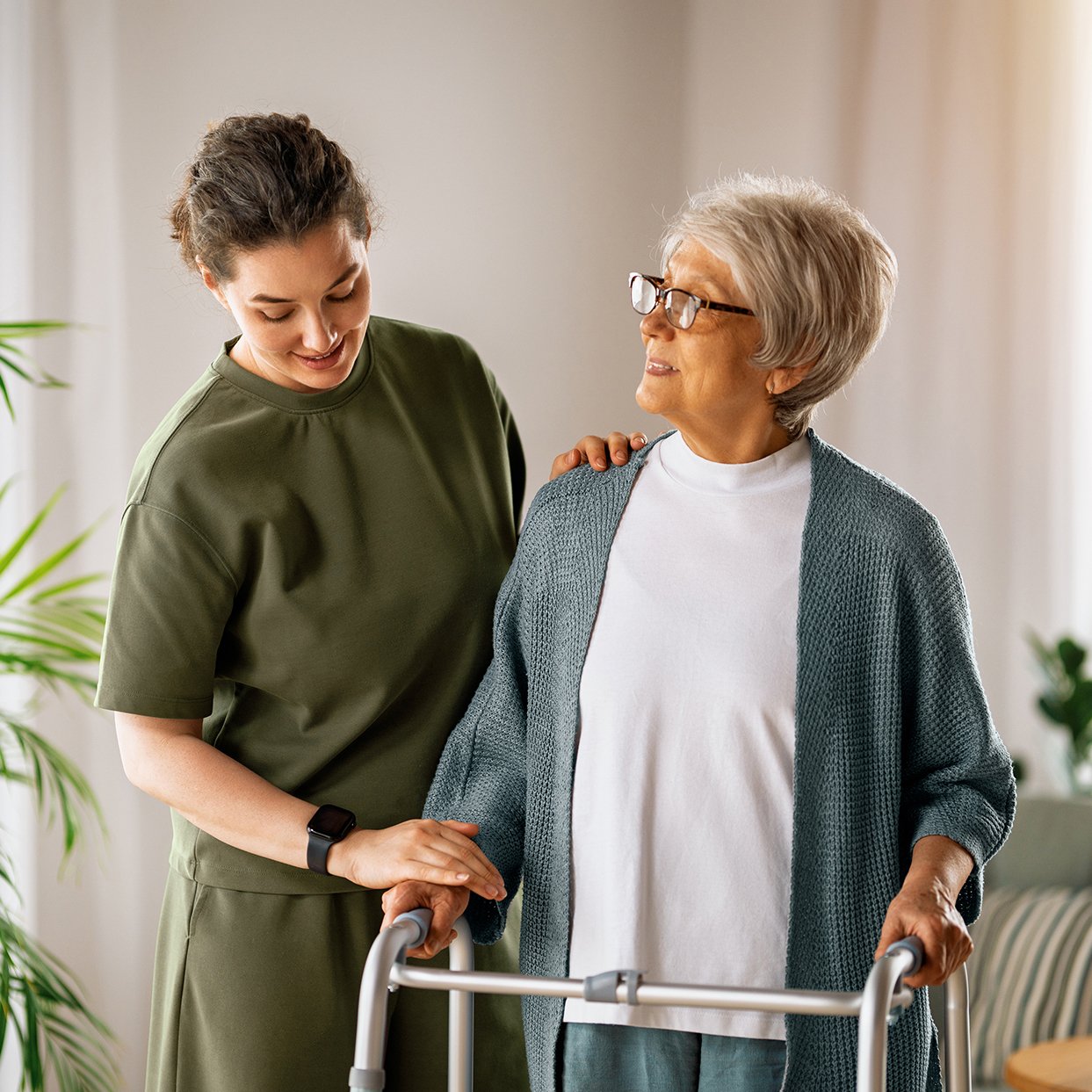
She moved her parents into a condo a block from her home so she could keep a close eye on them. She learned every medication, every doctor, and every subtle change. She attended appointments, managed crises, ran errands, and eventually helped transition them into assisted living — while continuing to coordinate nearly everything.
She understands the daily reality in a way the rest of us never fully can.
One thing that has helped our family enormously is communication. We share updates constantly through phone calls and texts — big decisions, small observations, concerns still forming. That shared context builds trust and helps prevent the misunderstandings caregiving stress can easily create.
Because caregiving isn’t just logistical. It’s relational.
The Best Advice We Received
Early on, we asked a friend who had been a primary caregiver what she wished her distant siblings had done differently.
Her answer was immediate:
"Be a sounding board. Trust her decisions and observations. Don’t debate them."
That advice reshaped how we showed up. Distance creates perspective — and opinions. Lots of opinions. But perspective isn’t the same as responsibility.
Sometimes support means resisting the urge to jump in and fix.
What Supporting from a Distance Actually Looks Like
People often assume distance equals less involvement.
In reality, distance just changes the job description.
My husband assumed financial power of attorney, managing all of his parents’ finances. At one point he was coordinating more than 18 accounts, establishing a trust, transferring assets, and convincing multiple institutions that yes, he really was authorized to speak on their behalf.
It quickly became a part-time job — and briefly, a full-time one.
He also serves as what we jokingly call “the hammer.” When patience runs thin or logic isn’t landing, his sister can call in reinforcement.
Every caregiving team needs one.
My role evolved differently. I became the researcher, planner, and administrative back office:
researching senior move managers, home care, and assisted living options
learning more about elder law and trusts than I ever expected
helping forecast multi-year care budgets
processing mountains of mail and flagging what actually required action (turns out, not everything labeled URGENT truly is)
looking ahead to what may be next in their progression and needs, as everyone else is dealing with the urgencies of today
In many ways, I became operations support for caregiving.
When Distance Suddenly Matters
One moment made the realities of distance caregiving unmistakably clear.
My sister-in-law had planned a trip to Europe to visit her son. At the time, my in-laws were still living somewhat independently, and my husband agreed to serve as the “in-case-of-emergency” contact while she was away.
What we didn’t anticipate was how quickly “in case” could become right now.
As she boarded her international flight, she received a call from her father’s doctor’s office. She redirected them to my husband — who, at that exact moment, was on a flight to the West Coast.
By the time he landed and received the message, the office was minutes from closing. Standing in an airport with exactly one bar of cell service — the technological equivalent of a ticking clock — he managed to reach the nurse.
The doctor wanted to start a new prescription based on recent bloodwork.
Simple enough. Except nothing is simple in dementia caregiving.
His parents received medications in pre-packaged pill packs. Adding a new medication created immediate complications:
Would his father remember to take an additional pill?
The pharmacy was too far for his mother to drive safely.
The dosage required a higher amount for a few days, then a taper — instructions difficult for anyone to manage, let alone someone experiencing cognitive decline.
My husband explained all of this while trying to problem-solve from two time zones away. The nurse paused and asked, “Well… who’s taking care of your parents? Someone should be there with them.”
He felt instantly chastised — as if he had failed some invisible caregiving test.
He calmly explained they had home help visiting every couple of days, then began coordinating solutions: arranging additional support with the agency, setting up pharmacy delivery, and ensuring someone could help manage the medication change.
Everything ultimately worked out fine.
But the experience lingered.
Later, he said — only half joking — that whenever his sister travels again, someone local needs to be officially on call, or home help needs to increase immediately.
Distance caregiving works… until suddenly it doesn’t.
Moments like this reminded us that supporting from afar doesn’t mean carrying less responsibility — it just means carrying it differently.
Emotional Support Is Still Real Support
Much of distant caregiving happens on the phone. Sometimes several calls a day.
We listen. We reassure. Occasionally we offer thoughts — but mostly we listen. We try to follow our friend’s advice and avoid second-guessing decisions made on the ground.
This isn’t always easy. Distance can make alternate solutions seem obvious. But caregiving isn’t a strategy exercise; it’s lived experience. The person closest to the situation carries context you simply can’t see from afar.
Support often means saying: I trust you.
Visits Look Different Now
We visit more often than we used to, though distance still limits us to every couple of months.
We try to bring moments of lightness — a movie, an outing, something that feels normal.
But visits increasingly include heavier tasks too:
meetings with attorneys, doctors or assisted living staff
important family conversations
fixing technology that mysteriously stopped working (again)
As dementia progresses, the heavy moments slowly begin to outweigh the light ones.
That shift happens quietly.
How Caregiving Changed My Own Path
Around the time my in-laws needed more support, I took a sabbatical from my corporate job due to burnout. What began as a pause became a realization.
I couldn’t return to a traditional full-time role and still show up for what our family needed.
My husband was balancing a demanding job, frequent travel, a side business, and financial POA responsibilities. Something had to flex.
So I changed how I worked.
I moved into freelance and independent consulting to create flexibility — not just for today’s needs, but for what may come as my own parents age.
It wasn’t a dramatic decision. More of a gradual recalibration.
And one I’m grateful I have the ability to make.
The Shape of Support
Caregiving, I’ve learned, isn’t a single role. It’s an ecosystem.
One person may carry the daily responsibilities, but others can help hold the structure together — managing logistics, planning ahead, absorbing worry, or stepping in when gaps appear.
Distance doesn’t make someone less of a caregiver. It simply changes the shape of their support.
For those helping from afar, the goal isn’t to duplicate what the primary caregiver does. It’s to make their job lighter. Take ownership of something meaningful. Communicate often. Trust generously. And look for ways to remove problems before they grow.
Because caregiving works best when it becomes shared ground rather than separate roles. And sometimes support looks like being present in a room.
Sometimes it looks like coordinating care from an airport with one bar of service — knowing that even from far away, you’re still part of the system holding everyone up.
Written by Gloria Peterson
Gloria Peterson writes about her personal experiences and the lessons she’s learned while navigating caregiving for aging parents and the pressures of being part of the Sandwich Generation. You can read more from Gloria on Medium.
Source: Caregiving from a Distance